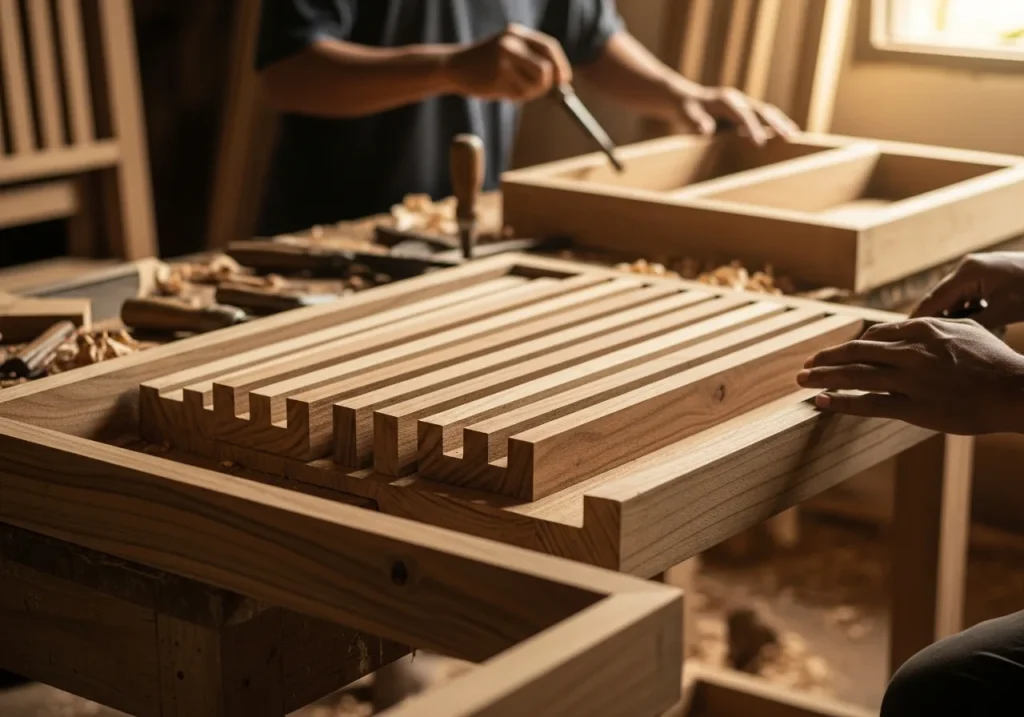
The teak furniture market is experiencing steady mid-single-digit growth through 2027, driven by global demand for durable outdoor furniture and increasing tourism and hospitality projects. Bali, a significant craft and export hub within Indonesia, offers a diverse range of teak furniture, with prices varying based on design and certification.
How to Import Teak from Bali 2027: A Complete Checklist for HS 9403 Codes, Lacey Act Declarations, and De Minimis Updates
Importing teak furniture from Bali requires a clear understanding of international trade regulations, customs procedures, and market dynamics. This guide provides a checklist for importers, wholesalers, retailers, and interior contractors, focusing on HS 9403 codes, Lacey Act declarations, and relevant de minimis updates for 2027.
Market Context: Bali Teak Furniture in 2027
The global teak furniture market is valued between USD 3.8 billion and USD 8.5 billion, with a Compound Annual Growth Rate (CAGR) of approximately 4–6% projected into the early 2030s. One estimate places the teak wood furniture market at USD 3.65 billion in 2025, reaching USD 4.84 billion by 2034. Another report projects the broader teak furniture market at USD 3.8 billion in 2025, growing to USD 6.4 billion by 2034. A third study, using a different methodology, values teak furniture at USD 36.9 billion in 2026, with a 5.5% CAGR to 2033.
Asia-Pacific consistently leads the global teak furniture market, both in production and consumption. The Asia-Pacific wooden furniture market (all species) was valued at USD 166 billion in 2025, expected to reach USD 173.9 billion in 2026 and USD 287.4 billion by 2035, growing at a 5.7% CAGR (2026–2035). Indoor wooden furniture held a 78.4% share (USD 130.2 billion) in 2025. Asia-Pacific also dominates the solid wood furniture market, holding over 45% of the global share. Indonesia is recognised as a major global producer of teak, alongside India and Myanmar, providing a robust supply base for teak furniture exports. Bali, as a significant craft and export hub within Indonesia, plays a key role in this industry.
Understanding HS Codes for Teak Furniture
Harmonized System (HS) codes are crucial for classifying goods for customs purposes, determining tariffs, and tracking international trade. For teak furniture, the primary HS code category is 9403, which covers “Other furniture and parts thereof.”
- 9403.60: Other wooden furniture. This is the most common classification for teak furniture.
- 9403.20: Other metal furniture. While less common for solid teak, some designs incorporate metal frames.
- 9403.80: Furniture of other materials, including rattan or bamboo, which may be combined with teak.
- 9403.90: Parts of furniture. This code applies to components like legs, tabletops, or other unfinished parts of teak furniture.
Importers must ensure accurate HS code declarations to avoid delays, fines, or incorrect duty assessments. Consulting with a customs broker or freight forwarder experienced in furniture imports from Indonesia is recommended.
Lacey Act Declarations for Teak Imports
The U.S. Lacey Act, amended in 2008, prohibits the import, export, transport, sale, receipt, acquisition, or purchase of plants and plant products, including furniture, that have been illegally harvested, possessed, transported, or sold. This applies to all wood and wood products, including teak furniture from Bali.
Key Requirements for Lacey Act Compliance:
- Declaration Form (PPQ Form 505): Importers must file a declaration with the U.S. Department of Agriculture (USDA) Animal and Plant Health Inspection Service (APHIS) for most imported plant products. This form requires specific information about the plant species, country of harvest, quantity, and value.
- Species Identification: Accurate identification of the teak species (e.g., Tectona grandis) is mandatory.
- Country of Harvest: The specific country where the teak wood was harvested must be declared. For teak furniture from Bali, the wood is typically sourced from Indonesian plantations.
- Due Diligence: Importers are responsible for exercising due diligence to ensure that the wood was legally harvested and traded. This involves verifying the legality of the timber through documentation from the supplier, such as harvest permits, chain-of-custody certifications (e.g., SVLK in Indonesia), and mill receipts.
- Record Keeping: Importers must maintain records of their due diligence efforts and Lacey Act declarations for five years.
2027 Note: The scope and enforcement of the Lacey Act are subject to ongoing review. Importers should monitor updates from USDA APHIS regarding declaration requirements, especially concerning specific product categories or de minimis thresholds, to ensure continued compliance in 2027.
De Minimis Updates and Their Impact
The de minimis rule allows goods below a certain value threshold to enter a country free of duties and taxes, with simplified customs procedures. While this primarily impacts individual consumers or small-scale imports, it is relevant for trade buyers to understand its limitations for wholesale operations.
Current De Minimis Thresholds (Approximate):
| Country/Region | De Minimis Value (Approximate) | Notes |
|---|---|---|
| United States | USD 800 | Per person, per day. Does not apply to goods subject to Lacey Act declarations. |
| European Union | EUR 150 | For customs duties. VAT applies to all imports. |
| United Kingdom | GBP 135 | For customs duties. VAT applies to all imports. |
| Australia | AUD 1,000 | For duties, taxes, and import processing charges. |
| Canada | CAD 20 (for duties/taxes), CAD 40 (for duties only) | Lower thresholds compared to other major economies. |
For wholesale imports of teak furniture, which typically involve values far exceeding these thresholds, de minimis rules generally do not apply for duty and tax exemption. However, some administrative simplifications might still exist for very low-value samples or spare parts. It is crucial to verify the specific de minimis regulations of the destination country for 2027, as these can change.
Certification and Sustainability (SVLK)
Indonesia operates the Sistem Verifikasi Legalitas Kayu (SVLK), or Timber Legality Verification System, which is mandatory for all timber and timber product exports from Indonesia. SVLK ensures that wood products are sourced from legal and sustainable operations, providing traceability from forest to export.
For importers, SVLK certification offers assurance of legality, which is vital for Lacey Act compliance in the U.S. and EUTR (European Union Timber Regulation) compliance in the EU. When sourcing teak furniture from Bali, always request and verify SVLK certificates from your supplier.
Logistics and Shipping Considerations
Shipping large teak outdoor tables from Bali requires careful planning. Most wholesale orders are shipped via sea freight in containers (FCL – Full Container Load or LCL – Less than Container Load).
- Packaging: Teak furniture should be adequately packed to prevent damage during transit. This often involves corrugated cardboard, foam, and sometimes wooden crates for larger or more delicate items.
- Incoterms: Clearly define Incoterms (e.g., FOB, CIF, EXW) with your supplier to specify responsibilities for costs and risks during shipping.
- Insurance: Secure marine cargo insurance to protect against loss or damage during transit.
- Documentation: Ensure all necessary shipping documents are prepared accurately: commercial invoice, packing list, bill of lading, certificate of origin, and SVLK certificate.
Teak furniture prices from Bali typically range from approximately USD 50–150 for small items to USD 500–2,000+ for premium sets, depending on design, complexity, and certification. These figures exclude shipping, duties, and taxes.
Final Checklist for Importing Teak from Bali
- Confirm supplier credibility and their ability to provide SVLK certification.
- Accurately classify your teak furniture using relevant HS 9403 codes.
- Prepare for Lacey Act declarations (PPQ Form 505) if importing into the U.S., ensuring all details on species and harvest country are correct.
- Understand the de minimis rules of your destination country, recognising they typically do not apply to wholesale volumes.
- Arrange appropriate shipping logistics, including packaging, Incoterms, and insurance.
- Ensure all export and import documentation is accurate and complete.
- Stay informed on any regulatory updates for 2027 that may impact teak imports.
Navigating the complexities of international trade requires attention to detail. By adhering to these guidelines, importers can ensure a smooth and compliant process for sourcing teak furniture from Bali.
For wholesale inquiries regarding large teak outdoor tables and other teak furniture, request a wholesale quote on WhatsApp.